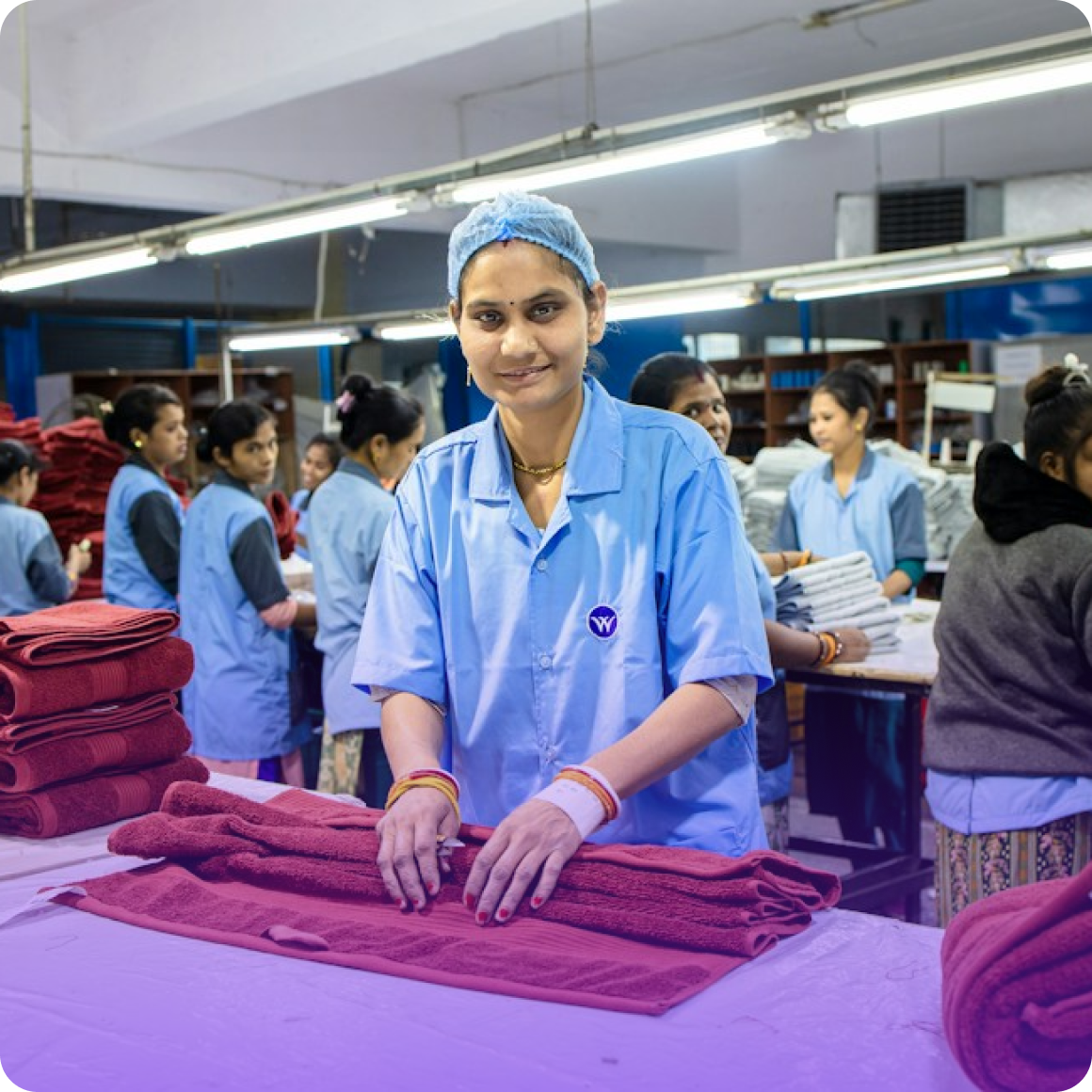
Integrates quality and environmental responsibility at every stage of apparel production. Using a structured approach to material selection, circular design principles, a regionally distributed supply chain, and workforce empowerment, we develop a production model that satisfies rigorous specifications and produces quantifiable outcomes.
it’s a line item we manage, measure, and reduce.
Held below industry norms through CAD marker optimisation and lean cut planning across our factory network.
Controlled through in-line inspection rather than end-of-line correction, catching issues while they’re still fixable.
Actively minimise waste by transitioning to digital sampling.
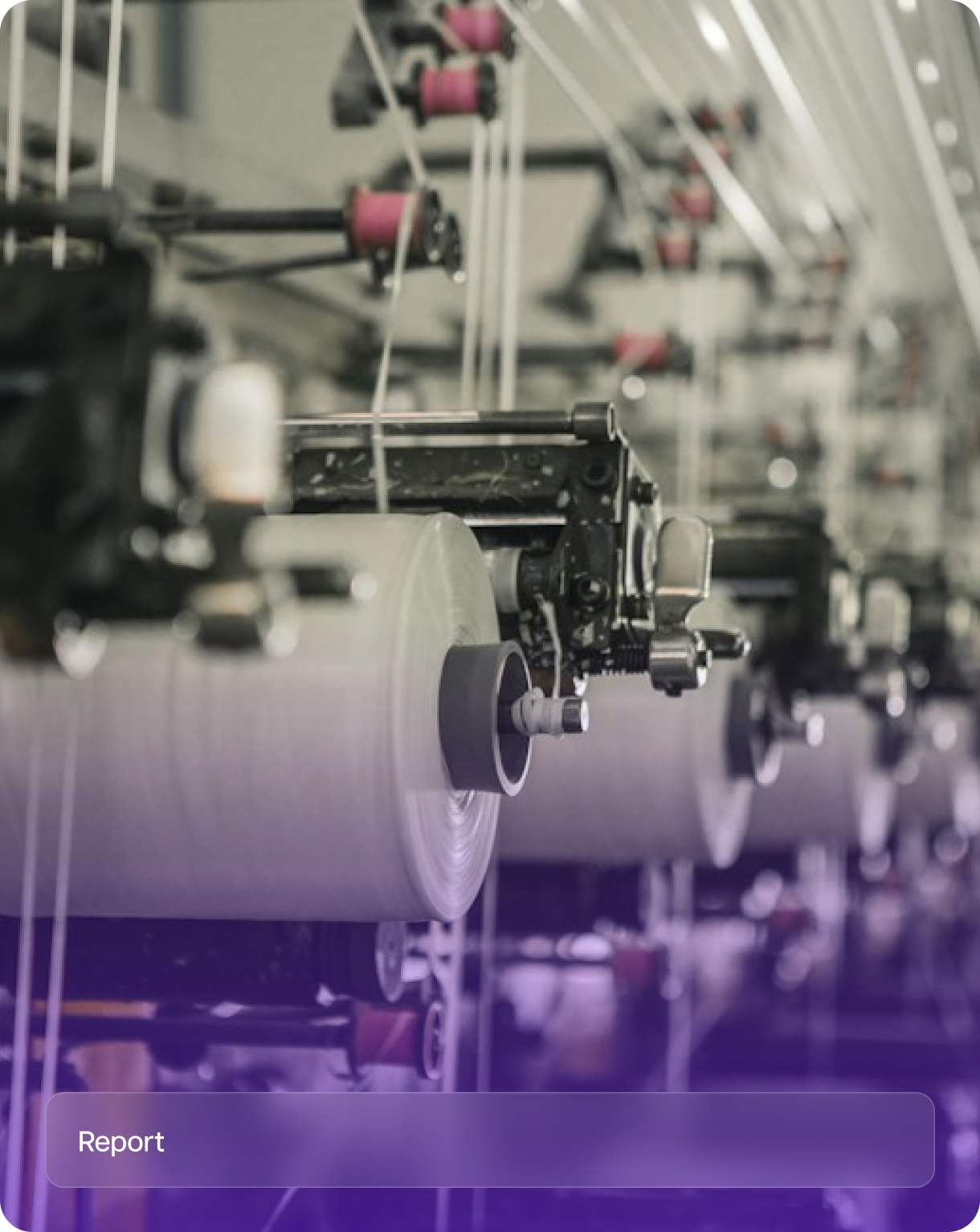
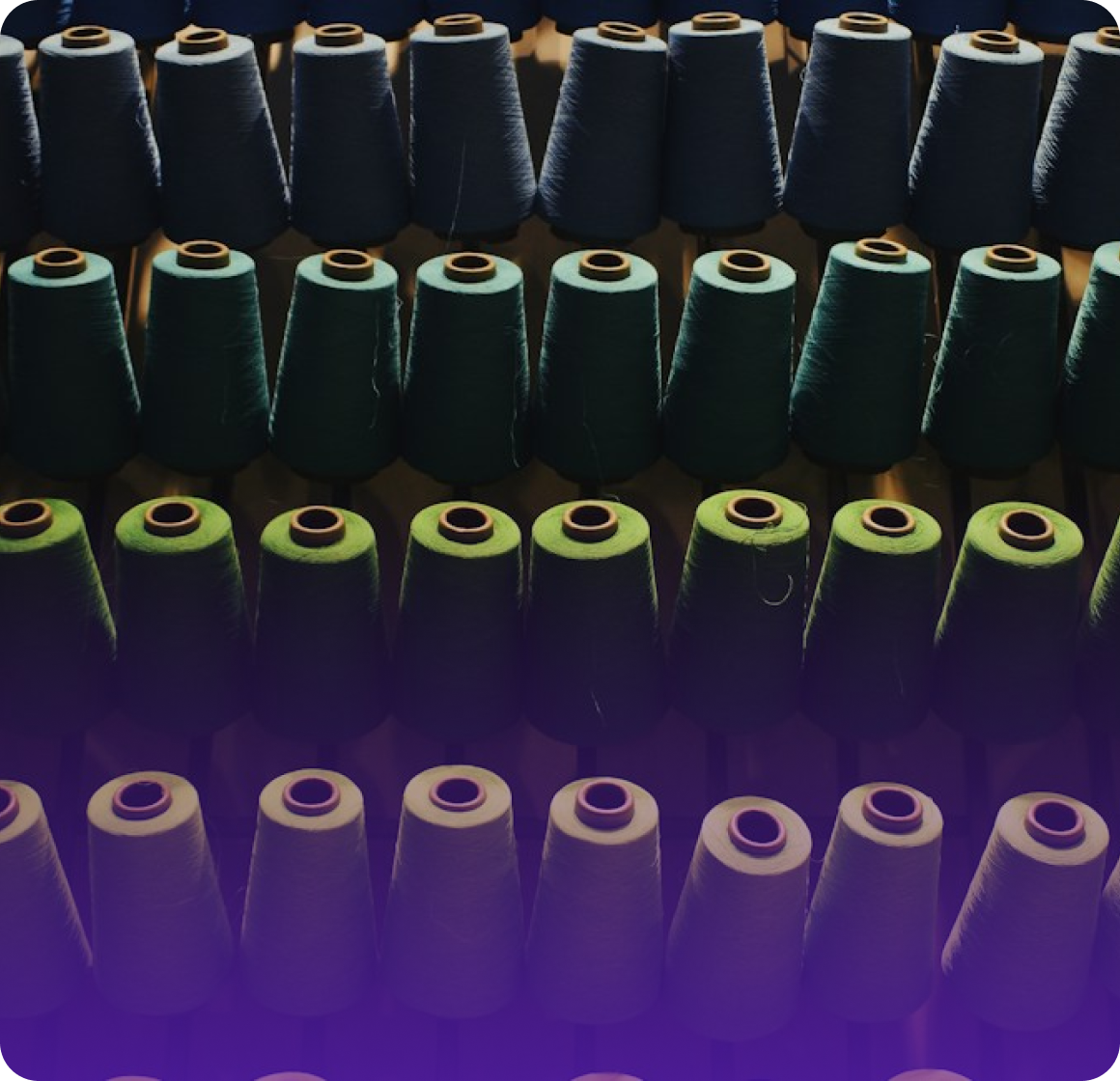
The materials chosen for a garment determine almost everything that follows — its footprint, its durability, and what happens to it at the end of life. Our approach is built around a simple bias: choose materials that can re-enter the system rather than just leave it.
of fabrics sourced this season are certified organic or recycled fibre, led by GOTS-certified organic cotton grown without synthetic agrochemicals.
Some fabrics are mono-fibre constructions, selected specifically for compatibility with mechanical and chemical recycling at the end of life.

Blended fabrics are difficult to recycle — separating fibres chemically is costly, and the result is usually downcycled material or landfill. By defaulting to mono-fibre construction wherever performance allows (elastane blends are the one deliberate exception, reserved for rib and stretch applications), we keep garments compatible with existing recycling infrastructure rather than designing around it after the fact.

Reducing our reliance on virgin polyester means investing in infrastructure that turns waste back into usable fibre. We work with regional recycling partners to process both pre- and post-consumer textile waste into spinnable polyester fibre, reducing demand for petroleum-based inputs while giving factory-floor waste a useful destination.
Long, globalised supply chains are one of the industry’s largest sources of avoidable emissions and fragility. Our model runs in the opposite direction: shorter distances, regional partners, and less exposure to single points of failure.
Regional manufacturing reduces transport emissions and lead times.
Curated network of specialized manufacturers, each vetted for operational excellence.
Less exposure to single points of failure keeps your supply chain moving.

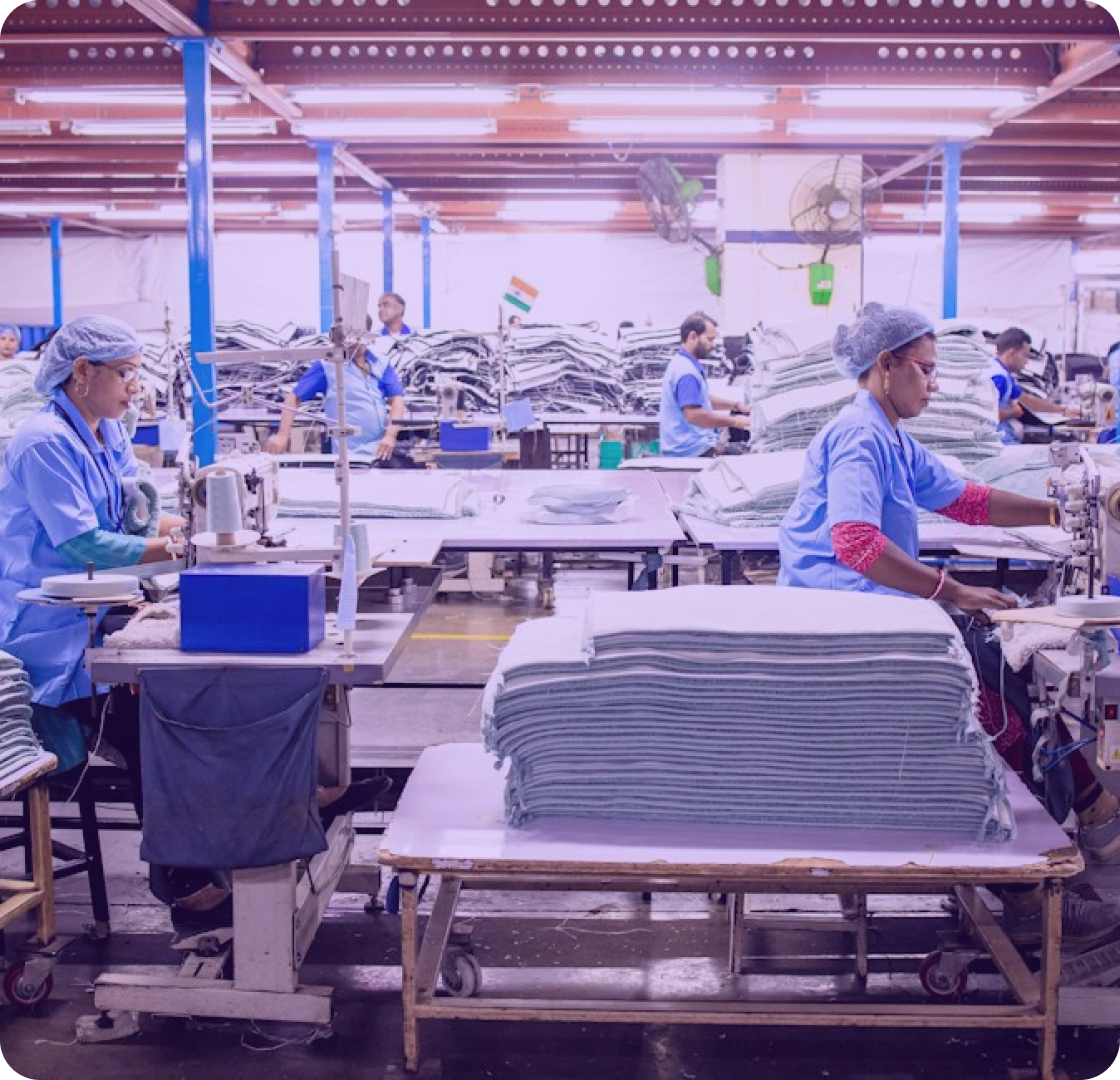
Consistent quality depends on the people producing it. We treat workforce training as core infrastructure, not a compliance checkbox — workers who can identify a defect at the source prevent far more waste than any downstream inspection line.
Line workers are trained to identify defects as they occur, reducing dependence on catching problems only at final inspection.
Production data is captured directly on the PURL Studios platform, giving factories and brand partners a shared, real-time view of schedules, quality status, and open issues.
Ongoing lean manufacturing workshops help factory teams continually refine efficiency and reduce waste at the process level, not just the material level.
Durability is a sustainability strategy in its own right. A garment that lasts reduces the need for replacement, making rigorous quality control one of our most direct levers.
Performance testing against shrinkage, tensile strength, colourfastness, pilling, and dimensional stability before a style enters bulk production.
Continuous monitoring throughout production, rather than a single check at the end of the line.
Every garment is inspected for visual defects and fit specifications prior to shipment, with results logged against the order record.